Talk descriptions, bios in three lengths, an introduction for your host, and headshots you can download. For dates and fees, send an inquiry and Leo will reply personally.
Most people say they live up to well under their full potential. This talk looks at the quiet beliefs that hold capable people back, and at two shifts anyone can learn: from proving to improving, and from going it alone to building support.
Why the question "Can I do it?" stalls people, and "How can I do it?" moves them
How beliefs, behavior and results feed each other in a loop
Why resilience belongs to the network, not just the individual
Leaders · Faculty
The Psychology of Student Success
45–60 minKeynote or workshop
Capable students leave college every year, often after a single setback. Drawing on large field experiments, this talk shows how students' interpretations of hard moments shape persistence, and what institutions can change at those moments.
The three quiet questions students ask: Can I do it? Do I belong? Does it matter?
What brief, well-timed interventions can and can't do
Why the setting has to back up the message
Advisors · Student-facing staff
The Science of Wise Advising
90 min – half dayWorkshop
A hands-on workshop on the conversations and messages that shape how students respond to struggle. Participants practice reframing feedback and rewrite a real message from their own work.
Prove mode versus improve mode in advising conversations
Wise feedback: high standards plus belief in the student
Rewriting high-stakes messages such as academic warnings
Leaders · Conferences
Belonging at Scale
45–60 minKeynote or panel
What a multi-campus belonging experiment with nearly 27,000 students teaches a single institution, and how to use action research to learn what works in your own setting.
Where and for whom belonging interventions work
Building the data infrastructure to learn from your own students
Moving from one-off programs to an institution that keeps learning
Bios
Use whichever length fits your program. Please use the name Leo Schumann.
Short · about 50 words
Leo Schumann is a social psychologist and the inaugural Director of Action Research in the University of Pittsburgh's Office of the Provost. He designs and tests psychological interventions that help college students engage, persist and belong. His research has appeared in Science, and he spoke at TEDx in 2025.
Medium · about 115 words
Leo Schumann is a social psychologist and the inaugural Director of Action Research in the University of Pittsburgh's Office of the Provost, where he founded the Student Success Action Research Collaborative. His work focuses on wise interventions: brief, well-timed changes to how students interpret hard moments, such as a first failed exam or a probation letter, and to the settings that shape those moments.
He holds a PhD in social psychology from the University of Waterloo and completed a postdoctoral fellowship at Stanford, where he co-founded the College Transition Collaborative. He previously led learning innovation at WGU Labs. His research has appeared in Science, the Journal of Personality and Social Psychology and Psychological Science.
Long · about 220 words
Leo Schumann is a social psychologist who studies why capable people disengage and what helps them stay. He is the inaugural Director of Action Research in the University of Pittsburgh's Office of the Provost, where he founded the Student Success Action Research Collaborative to help the university test and improve its own student success efforts, and to build the data infrastructure that makes that learning possible.
His work centers on wise interventions: brief, carefully timed changes to how students interpret moments like arriving on campus, a first low grade or critical feedback. At Stanford, he founded the Stanford Interventions Lab and co-founded the College Transition Collaborative, which ran one of the largest multi-campus experiments on student belonging, published in Science. His research has also appeared in the Journal of Personality and Social Psychology and Psychological Science.
Before joining Pitt, Leo spent seven years at WGU Labs as Director of Learning Innovation, where he led the College Innovation Network. He is the founder of Adaptive Mindsets LLC, and his 2025 TEDx talk, The Hidden Curriculum of Success, explores the quiet beliefs that shape human potential. His work has been featured by the Associated Press, Inside Higher Ed and Behavioral Scientist. He holds a PhD in social psychology from the University of Waterloo. He has published under the name Omid Fotuhi.
Introduction for your host
About 45 seconds when read aloud.
To be read aloud
Our next speaker studies a question every educator has asked: why do capable students give up, and what helps them keep going? Leo Schumann is a social psychologist and the inaugural Director of Action Research at the University of Pittsburgh. His research on student belonging has been published in Science, and his work helps universities test what actually works for their own students. Before Pitt, he co-founded the College Transition Collaborative at Stanford and led learning innovation at WGU Labs. You may have seen his TEDx talk, The Hidden Curriculum of Success. Please join me in welcoming Leo Schumann.
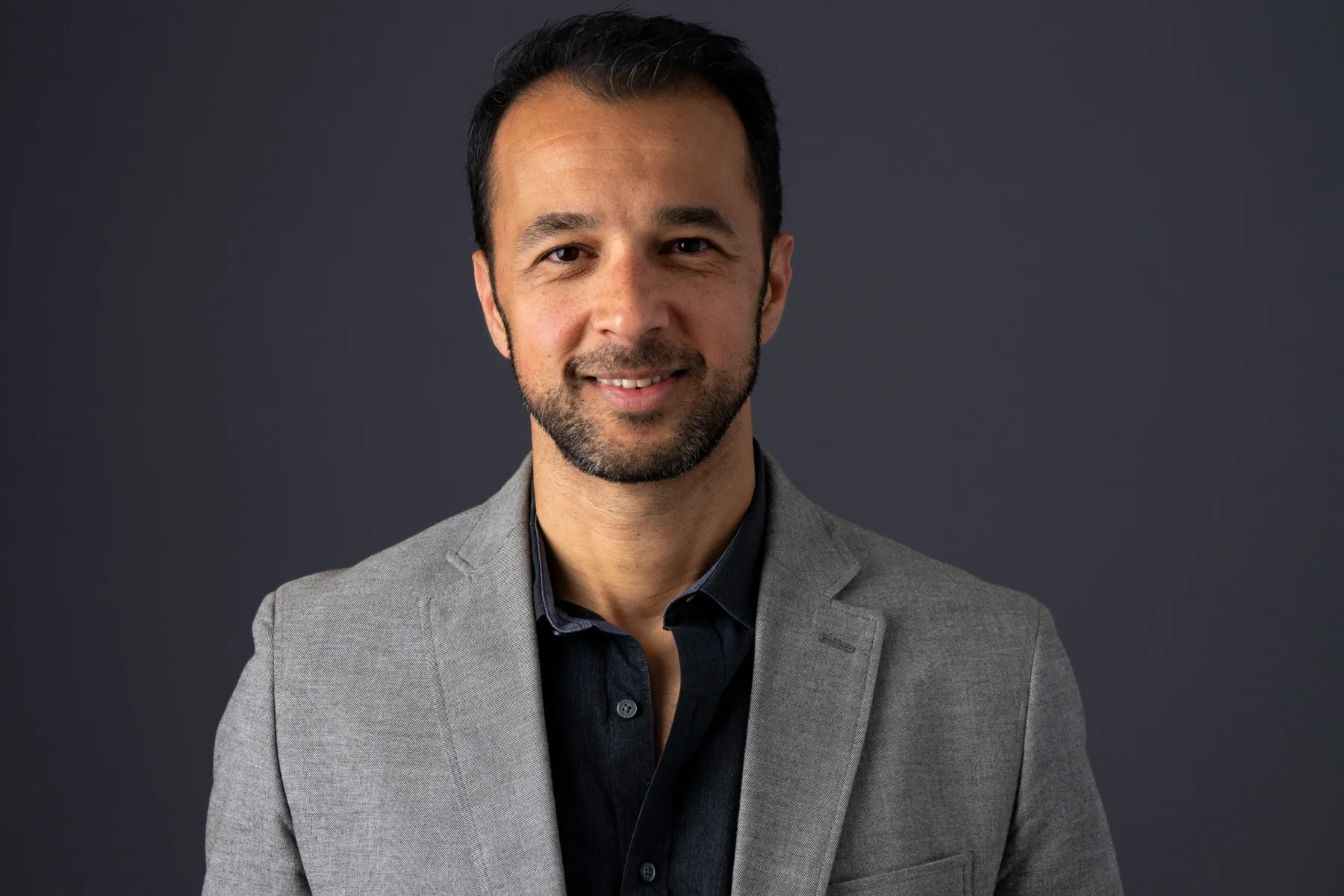
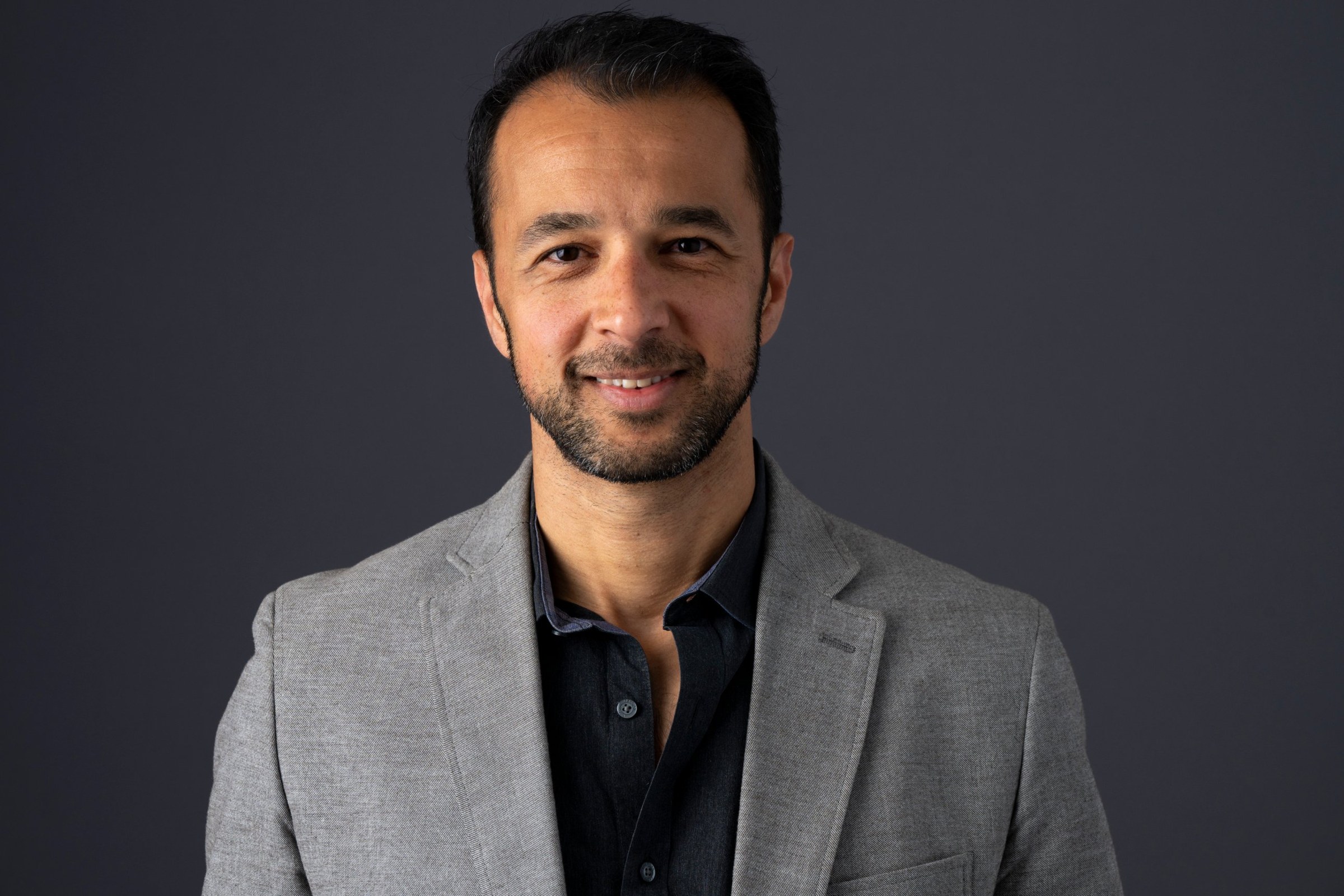
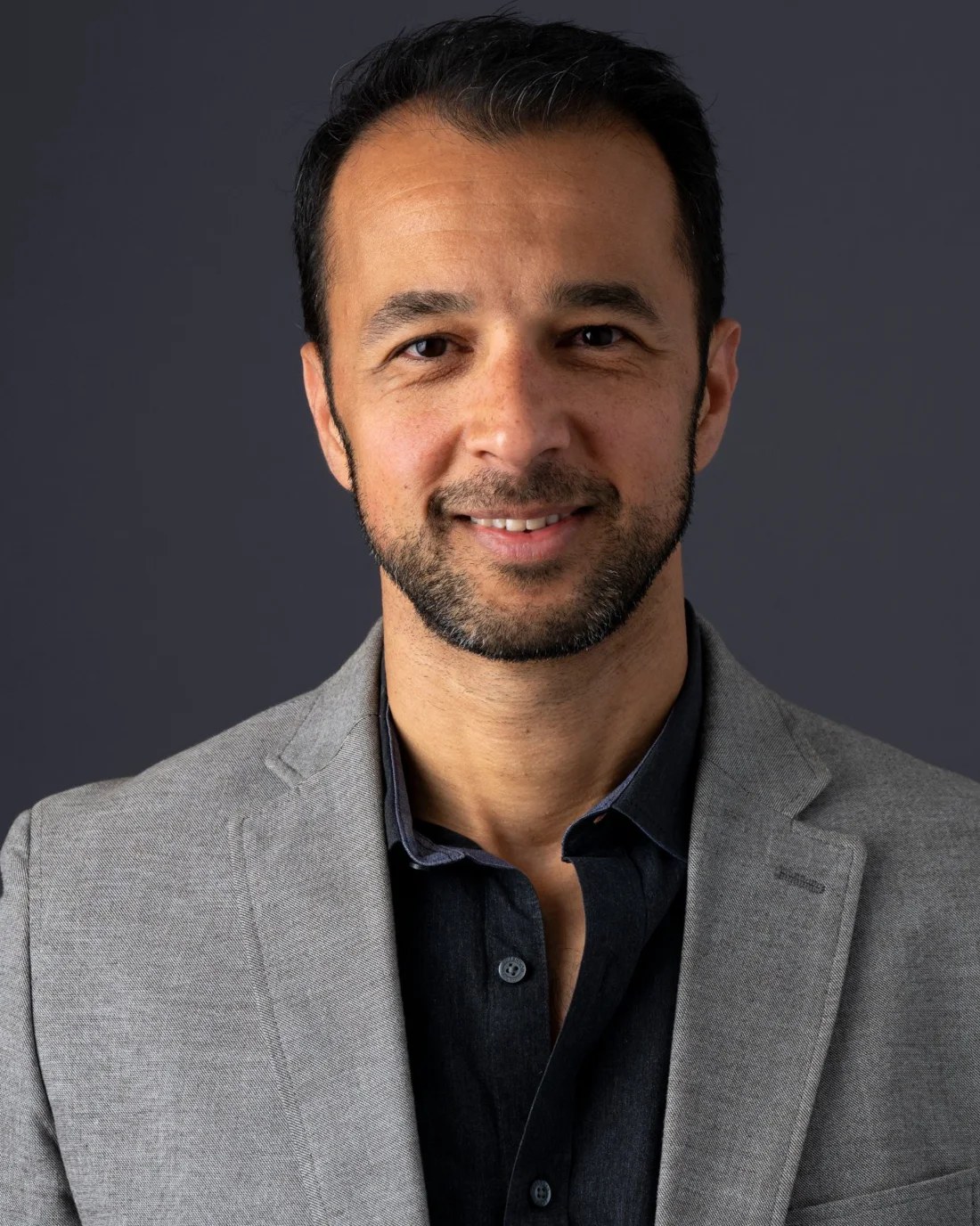
Headshots
High-resolution JPGs for programs, websites and promotion. Please credit "Photo courtesy of Leo Schumann" where a credit line is used.
Every engagement starts with a short planning call about your audience, goals and any data you'd like reflected in the talk.
Keynote
30 to 60 minutes, with time for questions. Suited to convocations, leadership retreats, faculty development days and conferences.
Workshop
90 minutes to a half day, hands-on and built around participants' own work, such as rewriting a student-facing message.
Panels and conversations
Moderated discussions and fireside chats on belonging, student success and action research.
Virtual
Live sessions on Zoom, Teams or your platform of choice, with interactive elements for remote audiences.
Typical AV
A projector or screen with HDMI input (16:9 slides), a lavalier or handheld microphone, and a slide clicker. A confidence monitor is helpful but not required.
Recording
Recording and sharing are usually fine with notice. Please mention your plans in your inquiry.
Selected past venues
Talks and invited sessions include:
TEDxAWC, Arizona Western College (2025)
University of Pittsburgh, academic advising professional development (2026)
Association of American Colleges & Universities, Annual Meeting (2016)
NCAA Accelerating Academic Success Program Conference (2016)
Society for Personality and Social Psychology, Annual Meeting (2016)
Association for Public Policy Analysis and Management, Fall Research Conference (2016)
Stanford Digital Learning Seminar Series (2015)
California State University, Dominguez Hills, Conference on High Impact Practices, keynote (2014)