Social psychologist · Action research · University of Pittsburgh
The science of belonging, put to work.
I design and test psychological interventions that help college students engage, persist and finish, and I help universities learn what works from their own data.
Two ways to work together
Evidence your students can feel, and results your institution can measure.
For provosts, deans and student success leaders
Institutional partnerships
- Design and evaluate belonging and mindset interventions
- Rewrite high-stakes messages, such as probation letters
- Build action research and data infrastructure that lasts
For conference and event organizers
Keynotes and workshops
- Keynotes for leadership, faculty and orientation audiences
- Hands-on workshops for advisors and student-facing staff
- Speaker kit: bios, headshots, talk descriptions
How a wise intervention works
The same moment can send two students down very different paths.
What decides the path is often the story a student tells about what just happened. That story drives what they do next, what they do shapes the result, and the result confirms the story. Pick a moment, then pick the story.
The recursive loop
Over time
Illustrative, not data. See what the published studies found →
A wise intervention at this moment
The shift underneath every loop
From prove to improve
Every quiet question can be asked two ways. Asked as a verdict, it waits for a yes or a no, and a setback can feel like the answer. Add one word, HOW, and the same question asks for a plan instead: what to try next, who to ask, what to learn. That is the shift wise interventions aim for.
“Can I?” implies a verdict. “HOW can I?” implies a journey.
From The Hidden Curriculum of Success, TEDx
Action research
The goal isn't one intervention that works. It's an institution that keeps learning.
Each cycle feeds the next. What a campus learns from one change shapes where it looks, what it tries and how it decides the next time. Over many cycles, the learning becomes part of how the institution works.
Use your own data to find the moments where students' paths split, and decide what to try.
Change something real at that moment: a message, a course practice, a policy.
Measure who it helped, who it missed, and why.
Make sense of the results together, and carry what you learned into the next plan.
What builds up over time: shared data and measures, practices that fit your students, policies that support them, and a habit of testing before scaling.
Speaking
Talks
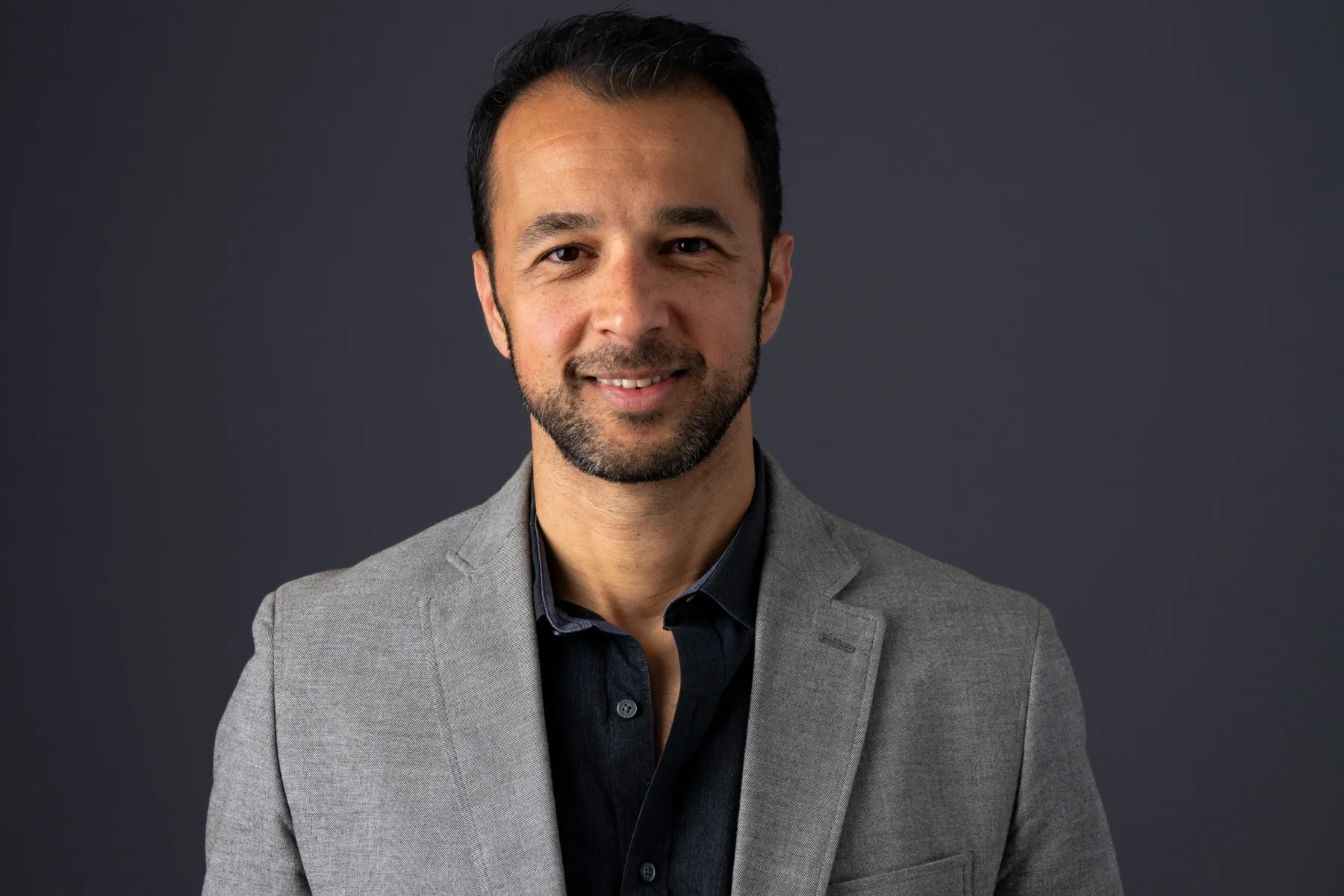
TEDx · Keynote · Watch the talk
The Hidden Curriculum of Success
The invisible psychological forces that quietly shape who thrives, and the adaptive mindsets anyone can learn.
Leaders · Faculty
The Psychology of Student Success
Why capable students disengage, and what institutions can change.
Advisors · Staff workshop
The Science of Wise Advising
Prove mode versus improve mode, and how to give feedback students can use.
Leaders · Conferences
Belonging at Scale
What multi-campus intervention research teaches a single institution.
Selected research
Published work
More publications, grants and talks are listed in the full CV.
In the press
Featured, quoted and published in
About
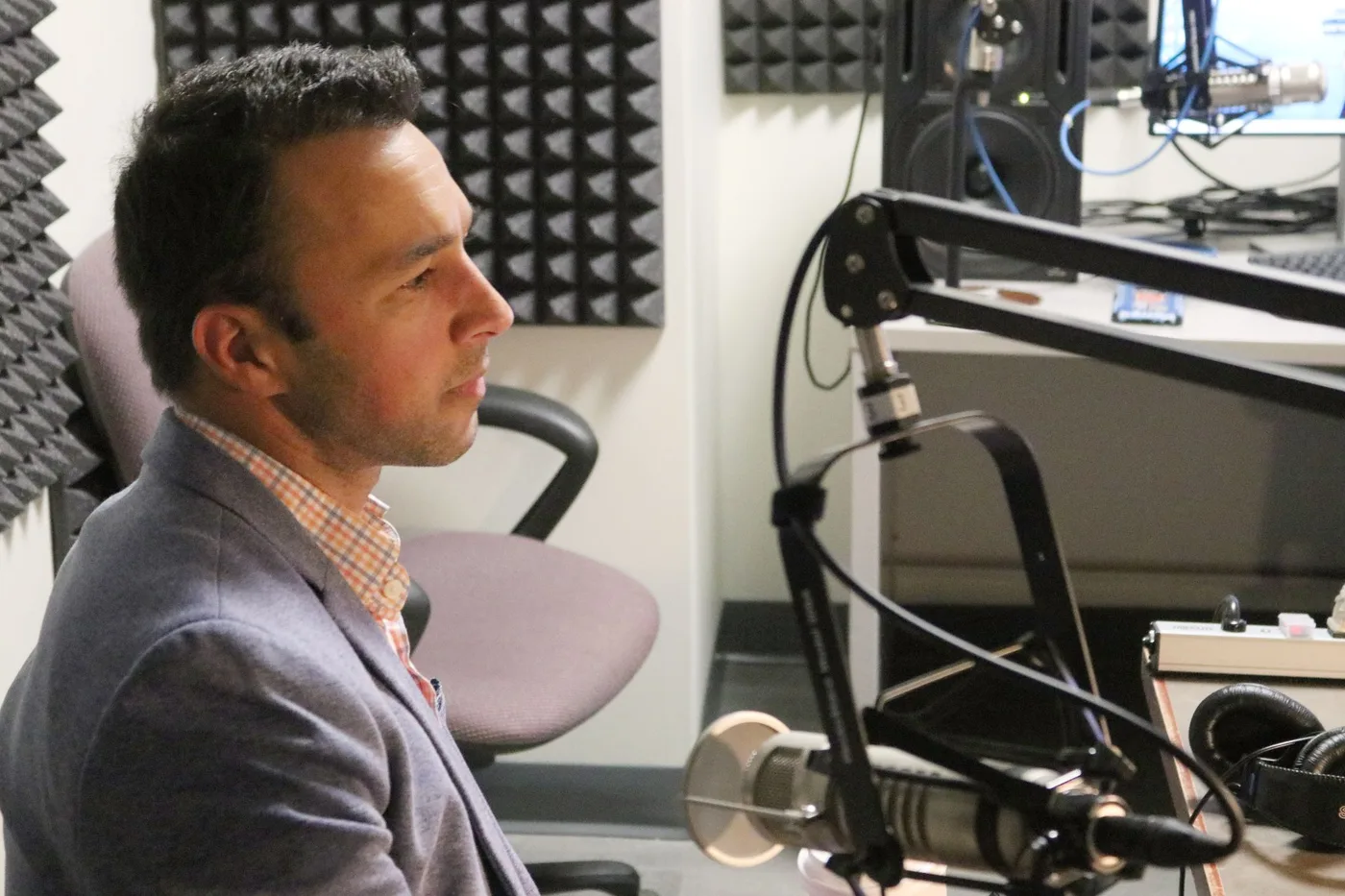
I'm a social psychologist (PhD, Waterloo; postdoc, Stanford) who has spent my career studying why capable people disengage, and designing small, well-timed interventions that change the story they tell themselves.
At Stanford I founded the Stanford Interventions Lab and co-founded the College Transition Collaborative. I also founded Adaptive Mindsets LLC. At WGU Labs I led learning innovation for seven years. Today I lead action research in the University of Pittsburgh's Office of the Provost.
Bring this work to your campus or your stage.
Tell me a little about your institution or event. I read every message and reply personally.
Planning an event? The speaker kit has bios, headshots and talk descriptions.